
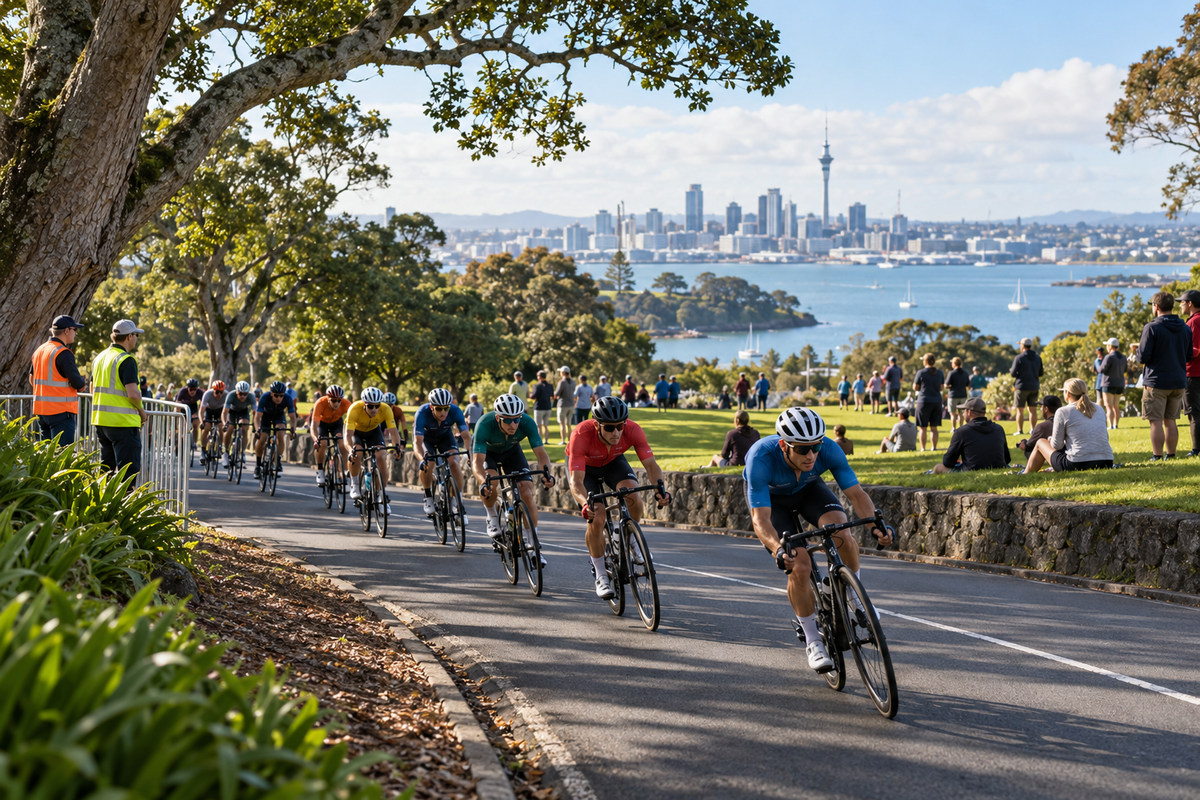
A confirmed fixture comes before travel plans
Season patterns and confirmed fixtures
Many outdoor codes have a seasonal rhythm, while indoor sport can run throughout the year. Rugby union and football have winter competitions, cricket is strongly associated with summer, and professional leagues may use calendars that overlap with local club seasons. International tours, tournaments and championship formats can shift as global schedules change.
That variation is especially visible in 2026-27. New Zealand Football has announced a change to its top-tier men’s and women’s competitions for 2027, moving toward full-season national winter leagues. A structure that appears familiar one year may have new teams, travel or broadcast arrangements the next. For every event, the competition’s current fixture page is more reliable than an old article or a calendar saved at the start of the season.
Event types and planning details
- Weekly club match
-
Local teams on a familiar ground. A spectator visit is usually shorter.
Kick-off time and field location need confirming along with parking and weather cover.
- International test or tour
-
Large crowds and national storylines. Accommodation is often in demand.
Entry and travel arrangements include ticket terms, transport, security rules and arrival time.
- Tournament or finals weekend
-
Several games on one programme. Crowd levels change, and venues stay open for longer.
Between sessions: The schedule, re-entry rules, food, accessible routes and breaks affect how long a visit is manageable.
- Motorsport event
-
Sound and movement. Spectators may move between viewing points and spend long periods outdoors.
Safe viewing: Official spectator zones, hearing protection and course access.
- Endurance or outdoor event
-
A moving field: Participants travel across a route or open landscape over several hours.
Route planning: Road closures, course map, water, daylight and mobile coverage.
- Water sport
-
Wind and visibility: Changing conditions can alter the experience on the water.
Harbour access and safety: The forecast, safety perimeter and event schedule need checking as conditions change.
Season dates. Codes follow different domestic and international calendars, and tours or tournament formats can change a season’s shape. Look for the current year’s official calendar rather than relying on a previous season’s pattern.
The event organiser as the primary source
A national governing body usually publishes competition rules and fixtures; a host venue provides access information; an event organiser posts changes, ticket terms and safety notices. Those sources answer different questions. A league site may confirm the start time, while the stadium explains bag size, public transport and accessible seating.
- Check the official fixture page and note its last update.
- Confirm the venue address, gate opening time and exact field or court.
- Recheck weather, postponements and road closures on the day.
- Use the ticket provider’s own transfer and refund details.
- Save an offline copy of tickets and travel instructions if mobile coverage may be weak.
- Look for spectator rules about photography, banners, food and re-entry.
Search results can show an old preview above a current schedule. A fixture image shared on social media may have been created before a venue change. If two sources disagree, give priority to the current competition or venue notice and check the timestamp rather than guessing which listing is newer.
Official fixture sources. Use the competition’s official website or governing body, then check the venue and ticket provider for access details. Recheck close to event day because venues, times and broadcast arrangements can change.
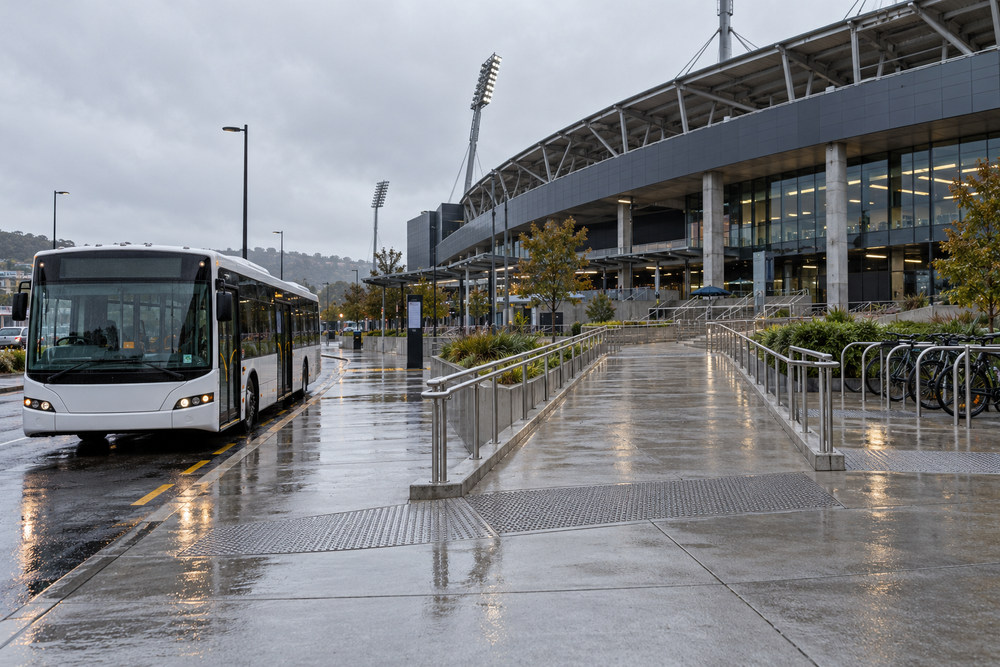 Major stadium fixtures offer vibrant atmosphere, requiring thoughtful planning for transport and seating.
The competition beyond the headline
A single sports event can contain heats, qualifying, warm-ups, junior fixtures and finals, each with its own start time and venue. A pass for a multi-day tournament may cover several sessions, while a ticket for a final can admit a spectator only to that match. The schedule shows how much of the day is available to watch and whether a person must move between fields, courts or tracks.
Coverage also comes in different forms: a live broadcast, a short highlight package, a full replay, radio commentary or a result feed. These formats serve different situations. A replay gives more context than a short clip, while radio can make a long event easier to follow without watching a screen. For an event outside New Zealand, the time difference can place live coverage in the middle of the night; a later replay may preserve the full contest without exposing the result first.
Some events publish changes as the day unfolds. Weather, a long contest or a delayed start can shift the next session. A schedule with a clear update time and event contact helps distinguish a planned gap from a postponement. At a multi-venue festival, allow for the distance between sites rather than treating every item on a programme as adjacent.
Transport and venue access
Travel across a long, narrow country
Distances between New Zealand centres can look modest on a map and still require a full day of travel. A route may include mountain roads, ferry crossings, weather exposure, a long transfer from an airport or limited public transport after an evening match. Build the return journey before buying a ticket, especially for a regional final or an event that ends after the last bus.
For large stadium events, a train, bus or official shuttle can be easier than parking near the gate. Check whether a public transport ticket is included, where the service begins and when the final departure runs. For a community ground, there may be limited parking and no dedicated event transport. Arrive early enough to find a safe place to park without blocking residents or emergency access.
Accommodation prices and availability can move sharply around a major event. If a trip depends on a ferry, regional flight or one night’s stay, examine cancellation terms and weather alternatives. A flexible booking can cost more but reduce exposure when the event schedule or transport is uncertain.
Stadium access for different visitors
Large venues are busy spaces with queues, loud noise, limited breaks and long distances from transport to seats. Check step-free access, accessible parking, companion seating, quiet spaces, toilets, hearing loops and sensory information before the event. Some services need to be booked in advance. A venue’s accessibility page is more informative than a general statement that the ground is “family friendly.”
For children, agree on a meeting place if the group gets separated and explain which adults can help. Keep a contact number in a pocket as well as a phone, use hearing protection at a loud match and take a layer for wind or rain. At a crowded event, a short break can help a child reset without leaving the venue entirely.
Food, water and bag rules vary. A stadium may restrict bottles, outside meals or large umbrellas; an outdoor course may have no vendor at all. Read the venue’s current conditions and pack to suit them. If a person has dietary, mobility or medical needs, identify the access point or assistance desk before gates open.
Accessible routes. Review transport, step-free routes, seating, toilets, companion spaces, quiet areas, captioning or audio support, and the route back after the match. If a service must be booked, contact the venue before buying a ticket.
What makes a good live sports atmosphere
Sound, ritual and shared attention make a live event different from a screen. A crowd can lift a tight contest, but the atmosphere also depends on how people treat one another. Respectful chanting, space for families, fair treatment of officials and a safe route home are part of the match experience. A hostile sideline can make a community game feel inaccessible even when the field is open.
Supporters can learn the venue’s behaviour expectations and report threats or discrimination through the event’s stated channel. For youth sport, keep comments focused on the play and leave coaching to the coaches. An official’s decision can be debated without targeting the person who made it.
For people unable to attend in person, a radio call, local club stream or community watch party can provide connection without a stadium ticket. Captions, audio commentary, commentary descriptions and a clear broadcast schedule help more people follow the action.
Organising a group outing
A group plan should account for different budgets and energy levels. Set a ticket range before choosing a seat, check whether children need their own ticket, and agree how the group will get home. If one person is responsible for booking, keep the confirmation number and ticket transfer process available to everyone who needs it.
For a group travelling from another region, consider arriving the night before and choosing accommodation near an easy transport route. The event itself may last two hours; the full experience includes the journey, queues, meal and return.
Arrival time. Follow the gate time and transport advice from the venue. Security checks, road restrictions and crowd queues can add time; accessible entry or bag screening may use a separate route. A community fixture may need far less arrival time.
Weather contingencies
Weather and contingency plans are part of a ticket
Outdoor sport can be delayed, moved or cancelled because of wind, heavy rain, track condition, lightning, surf or heat. A postponement may shift an event to a weekday or a different venue. Read the ticket terms for refund, transfer and rescheduling rules, and save the organiser’s update channel so that a late change reaches the group.
For a long drive, check road alerts and allow time for a detour. A rural ground or rally spectator point may have limited mobile coverage, so download a map and share the route before leaving. Carry weather protection that fits the venue’s bag rules; a large umbrella can obstruct views in a stand even when rain is light.
Participants and spectators have different safety boundaries. A fan may be able to stand near a field but not on the event route; a motorsport spectator can use only marked zones; a water event may close access to a harbour edge. Follow marshals and venue signs even when a viewing point looks empty.