Reading culture grows through access
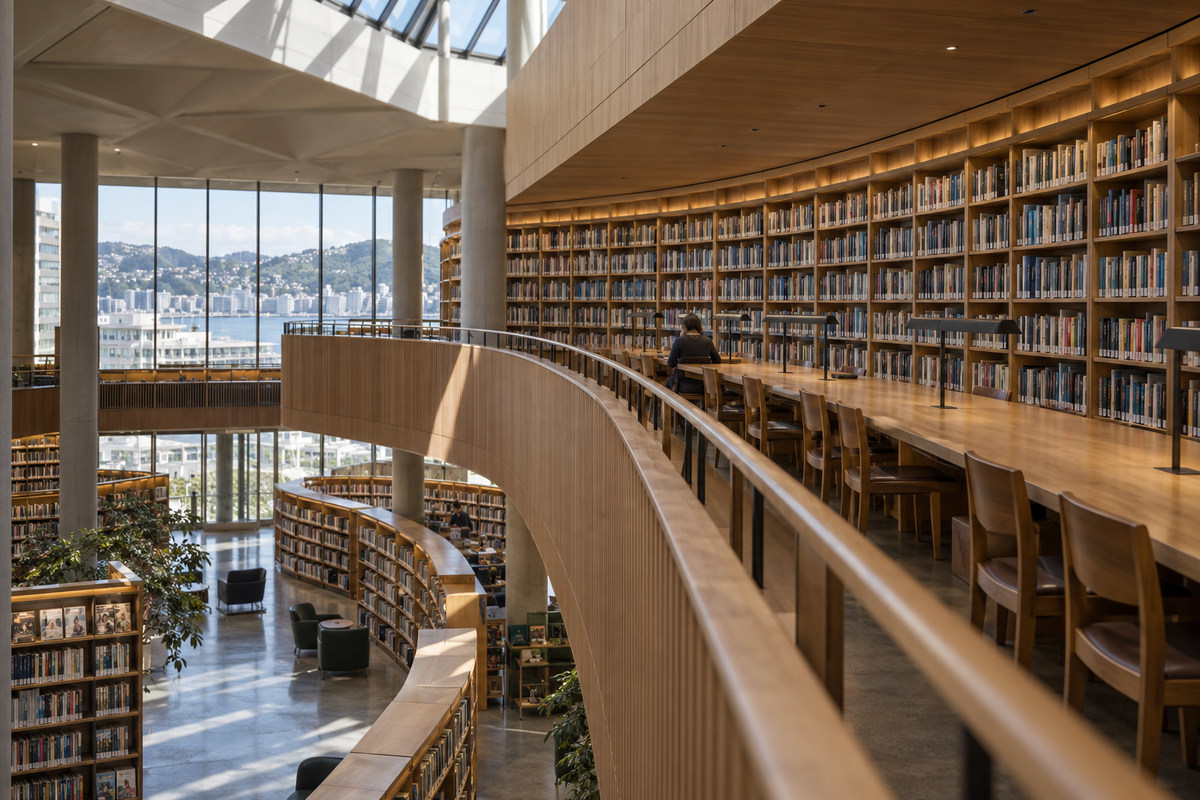
Readers meet books in more places than a shop shelf: public libraries, school libraries, book clubs, community exchanges, online catalogues, audio platforms, author events and independent publishers. Each route changes what a reader can find. A library can make a book available without asking someone to buy it; an audio edition can reach a commuter or a person who finds print difficult; a bookshop can surface a local title through staff knowledge.
A print book is easy to lend and annotate, an e-book can travel in a phone, and an audiobook gives the page a voice and rhythm. One format is not inherently more serious. A reader may move between formats as eyesight, time, cost, space, concentration or language changes.
New Zealand’s book culture includes fiction, poetry, graphic novels, children’s books, local history, biography, science and writing in te reo Māori and Pacific languages. A title can hold a regional perspective that does not travel into a global bestseller list. Searching by publisher, translator, illustrator or subject can reveal books that a “popular now” shelf will miss.
Finding local writers. Search library catalogues and independent publisher lists by author, region, language and genre. A local bookshop or librarian can point to presses and writers that do not appear in a global bestseller ranking. Children’s writing, poetry and graphic novels can be useful entry points alongside fiction and non-fiction.
What a book’s production tells you
Entry points for finding a book
- Publisher or imprint
-
Catalogue signal: The kinds of writers and formats an editor tends to support.
Selection check: Does the catalogue include work from the region, genre or language I want?
- Translator
-
Translation record: Who carried the story between languages and which edition you are reading.
Source-language check: Is the translation credited, and what language is the source text in?
- Illustrator and designer
-
Visual authorship: How images, type, paper and layout contribute to the work.
Credit check: Are the visual credits visible, especially for a picture book or graphic work?
- Edition and date
-
Publication history: Whether a text has been revised or republished.
Currentness: Does the subject need a more current edition or a note on the original context?
- Library record
-
Availability: Where a copy is held and what accessible formats are available.
Access options: Can I borrow an audio, large-print or digital version?
Children may recognise familiar people and places in a book or encounter lives unlike their own. Children notice who gets to be funny, brave, ordinary, frightened and loved. Local names and settings can make a story feel close, but a child should not be expected to act as the representative of a culture because one character shares their identity.
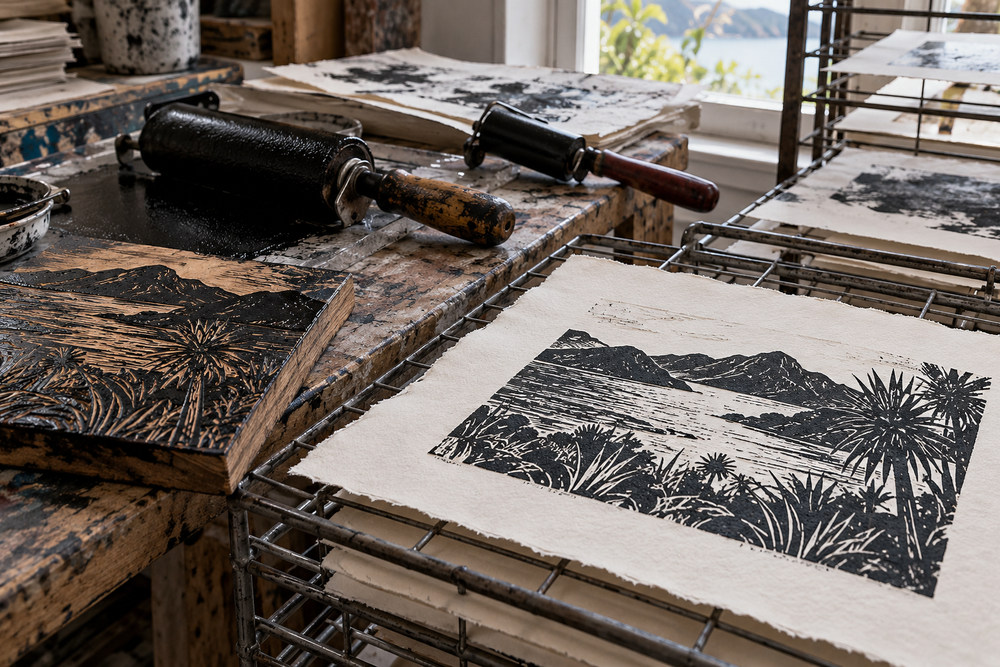 Independent literary presses and gallery exhibitions foreground contemporary regional perspectives.
Art as object and relationship
An artwork may be a painting, carving, photograph, woven object, installation, performance, digital work or community practice. Materials have histories; a work may have a maker, a collective, a place of origin, a particular use or restrictions on how it should be displayed and reproduced.
In Māori contexts, taonga can carry whakapapa and responsibilities that a museum label cannot fully contain. Te Papa’s Mana Whenua exhibition presents Māori life and heritage through taonga, oral histories and contemporary art. A visit or a short caption cannot convey all the relationships and responsibilities attached to a taonga.
When a work includes Pacific forms or symbols, ask how the artist identifies the source and what relationship they have with it. A visual resemblance is not evidence that two traditions mean the same thing. Naming the artist, language, community or source of a pattern can make interpretation more precise and credit more visible.
Gallery photography. Follow the gallery’s sign or ask staff. Some works cannot be photographed because of rights, conservation or tikanga. Even where photography is permitted, publishing the image may involve a separate permission from the artist or copyright owner.
How to read an exhibition label
- Identify the maker. Is the work by one artist, a collective or a community- Is a language or iwi connection named-
- Check the date and medium. Material and time can change what a work could do and how it was made.
- Notice the source of information. Is a statement from the artist, a curator, a community partner or a museum record-
- Look for restrictions. A display may limit photography, handling or online reproduction for cultural or conservation reasons.
- Read the space as part of the work. Lighting, sound, distance and the order of objects affect how a visitor moves through it.
- Keep uncertainty visible. A short label is a guide, not an exhaustive account of the work’s meaning.
Some contemporary works are made for a specific site or audience. Taking a photograph may capture the surface while missing the action, sound or ceremony that gives the work its form. Ask whether photography is allowed before sharing an image, and include the artist’s name and context if the work can be reproduced.
Māori titles and labels. Names carry context, not merely decoration. A Māori title may refer to whakapapa, place, a person or a concept that a one-word English translation cannot capture. Read the explanation and respect the spelling and macrons used by the artist or community.
Libraries, museums and galleries make the work public
- Public collections
Public collections preserve objects and make them available to people who may not have had a direct route to the work. A library catalogue can help a student locate a regional author or an older edition; a museum record can show an object’s name, material and collection history; an art gallery can display local and international works together so visitors can compare them.
- Practical access
Access depends on ordinary details: entrance cost, opening hours, public transport, seating, quiet areas, captioning, sign language resources, step-free routes and whether a visitor can attend with a support person. Online collection pages can extend a visit, though a digital image cannot reproduce the scale, texture or atmosphere of an original object.
- Community-led exhibitions
Community-led exhibitions can provide forms of interpretation that a national institution cannot supply alone. A local curator may connect an artist to whenua, whānau or a community history; a visiting programme may bring a conversation to a smaller centre. Curators and participating communities should receive credit for the time and knowledge they contribute.
Copyright, quotation and sharing images
Owning a physical book or artwork does not automatically give the owner copyright in its contents. A reader can quote a short passage for a legitimate purpose within the limits of copyright law, but copying a full chapter, scanning a book for distribution or posting an entire poem online is different. An artist’s image may have separate rights from the gallery or photographer who documents it.
For school, community or online use, identify the work, creator, edition and permission needed before reproducing it. A library’s digital copy can have licence restrictions even when the book is easy to borrow. A museum’s image download terms may distinguish personal study from commercial use. When the rights holder is unclear, a public web page is not blanket permission.
Creators should keep a record of source material, collaborators, permissions and the edition they approved. For a bilingual book, confirm spelling and macrons with the language authority or editor involved. For a community artwork, consider whether the work includes knowledge that should not be copied beyond its intended setting.
Educational copying. Permission to copy a page for class depends on the amount, purpose, licence and applicable copyright exceptions. A library or school may have a licence for certain educational copying. Check the institution’s terms before distributing a scan, especially if the material will be placed on an open website.
Finding a reading or art routine that lasts
A reading or art routine can be modest: a monthly library visit, a poem read aloud at dinner, a sketchbook on the train or an afternoon at a local gallery. Repeated encounters give a person room to notice how an author or artist returns to a question.
- Choose a short work, audio edition or illustrated book when long reading sessions are difficult.
- Ask a librarian or bookseller for one title connected to a place, language or interest.
- Use an exhibition map to plan a shorter visit with places to sit and reset.
- Check whether a gallery has quiet hours, sensory information or an online preview.
- Keep notes about a passage or image instead of trying to interpret every detail at once.
A group might discuss what felt familiar, what was surprising or whose voice was missing, with room for disagreement. Readers and visitors bring different histories and levels of confidence to the discussion.
Cultural events for different kinds of visits
A book launch offers conversation with a writer and publisher; a poetry reading lets rhythm and voice carry a text; a printmaking workshop makes material and process visible; a gallery talk connects a work to the artist’s decisions. A museum visit can move between historical objects, oral histories and contemporary art. The format changes how much time, background knowledge and participation a visitor needs.
Before attending, check whether registration is required, whether the venue charges entry, the event’s length and whether questions are taken from the audience. A panel that uses specialist language may be engaging for one visitor and tiring for another. A workshop may require clothing that can get dirty, while an evening reading may have limited seating or a quiet space nearby.
Libraries and galleries can help people find an entry point without requiring a prior reading list. Ask staff for a short book, a tactile or large-print version, a work connected to a place, or an exhibition that can be visited in under an hour. Spending a visit with one work can leave time for questions about its details.
For a child or school group, choose one object, passage or image to notice before the visit. A question such as “what material do you see-” or “who is speaking here-” gives a learner a way into the work without prescribing a single interpretation. Let the young person’s observation lead to the next question.